
Merchant review
Applications are reviewed using company, ownership, website, business-model, operating-market and expected transaction information. Additional documents may be requested as review progresses.
COMPLIANCE & SECURITY
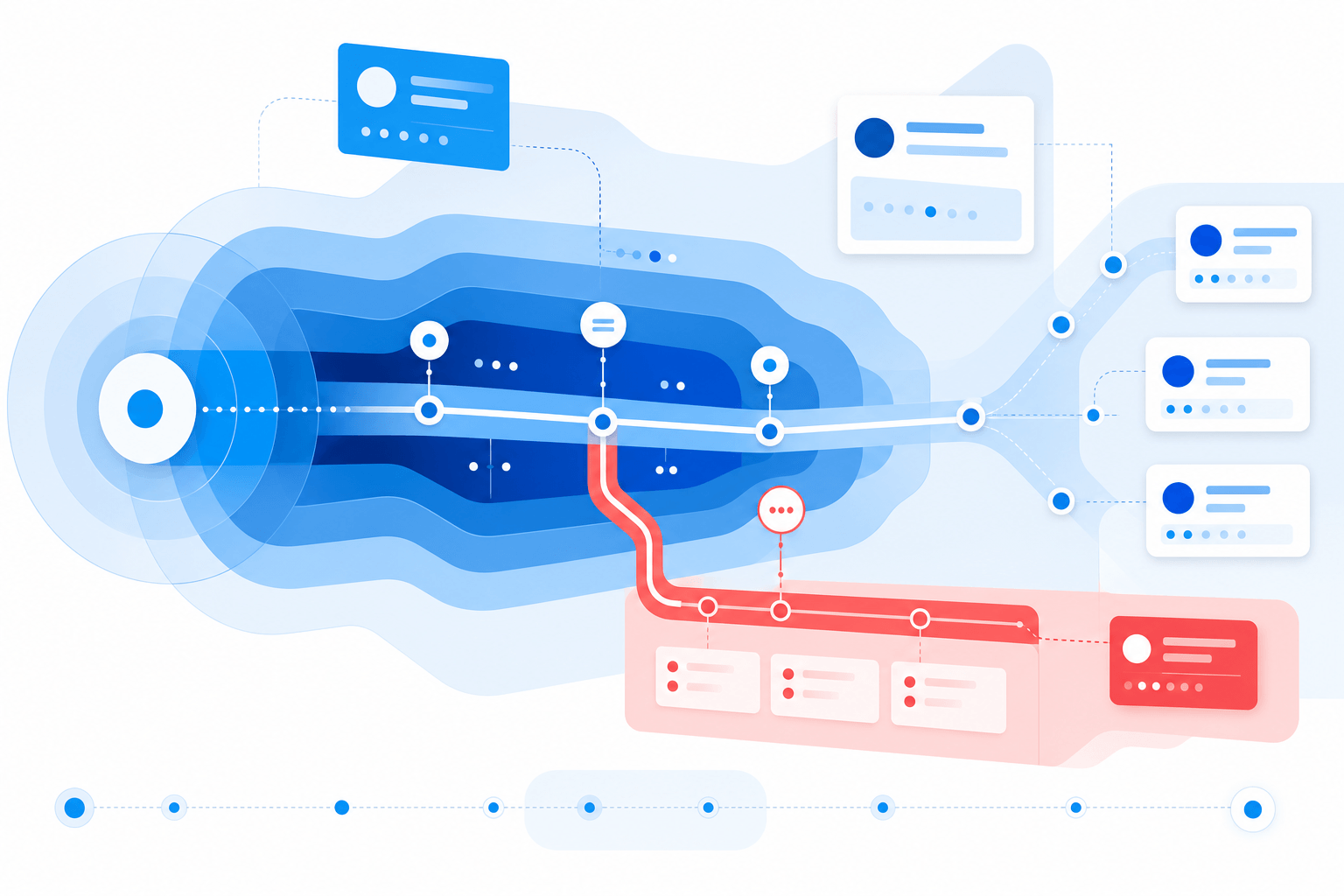
Merchant onboarding, transaction activity, disputes, settlement and partner requirements all shape how AirSC approaches payment risk and security.
OUR APPROACH
OPERATING AREAS
Applications are reviewed using company, ownership, website, business-model, operating-market and expected transaction information. Additional documents may be requested as review progresses.
Transaction monitoring and operational review are shaped by the payment method, customer journey, business profile and relevant partner requirements.
Dispute work includes reviewing transaction context and trends, organising supporting records, documenting decisions and coordinating escalation actions.
Access, account and data-handling considerations are included in product and operational planning, with requirements shaped by the integration and partner context.
Payment statuses, refunds, fees and settlement records need a clear operating trail so finance teams can identify and investigate differences.
Payment controls and operating requirements can also depend on the banks, payment institutions and technology partners involved in a payment flow.
BEFORE GO-LIVE
Onboarding is where business, product, market and technical information are brought into one reviewable scope.
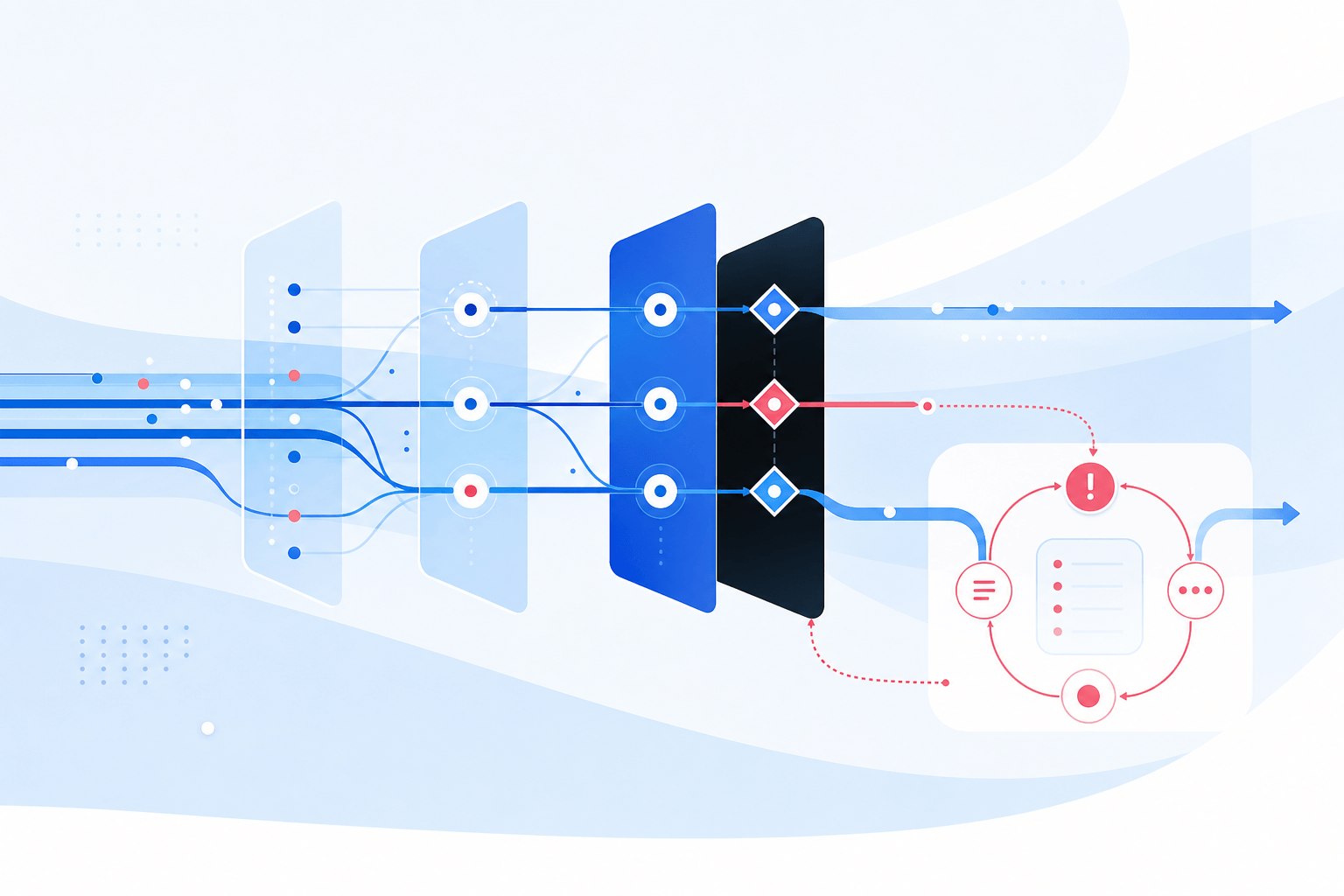
Review what the business offers, how customers are acquired, how goods or services are delivered and which markets form the intended payment scope.
Collect the corporate, ownership and operating information required for the proposed service and follow up when clarification is needed.
Match the requested payment methods, transaction flows and settlement needs with current availability and relevant operating requirements.
Prepare success, pending, failure, cancellation and refund scenarios so technical and operational teams understand how each state should be handled.
DURING OPERATION
Transaction patterns, customer journeys and business models evolve. Ongoing operations need records, ownership and a clear path for review.
SHARED RESPONSIBILITY
Provide accurate business information, maintain appropriate customer communication and retain the records needed to support payment and dispute operations.
Bring commercial, technical, risk and operational questions into one working process and communicate the requirements relevant to the agreed scope.
Banks, payment institutions and method partners may introduce additional controls, information requests or operating conditions for their part of the flow.