
PROTECT REVENUE

Manage payment risk without slowing growth.

Combine merchant review, transaction monitoring and chargeback operations to reduce avoidable payment loss.

Transaction signals passing through risk and chargeback review

PAYMENT PROBLEMS

The payment problems this product is designed to solve

Growth becomes harder when checkout, settlement and operational workflows are disconnected. AirSC brings the relevant parts into one practical payment setup.
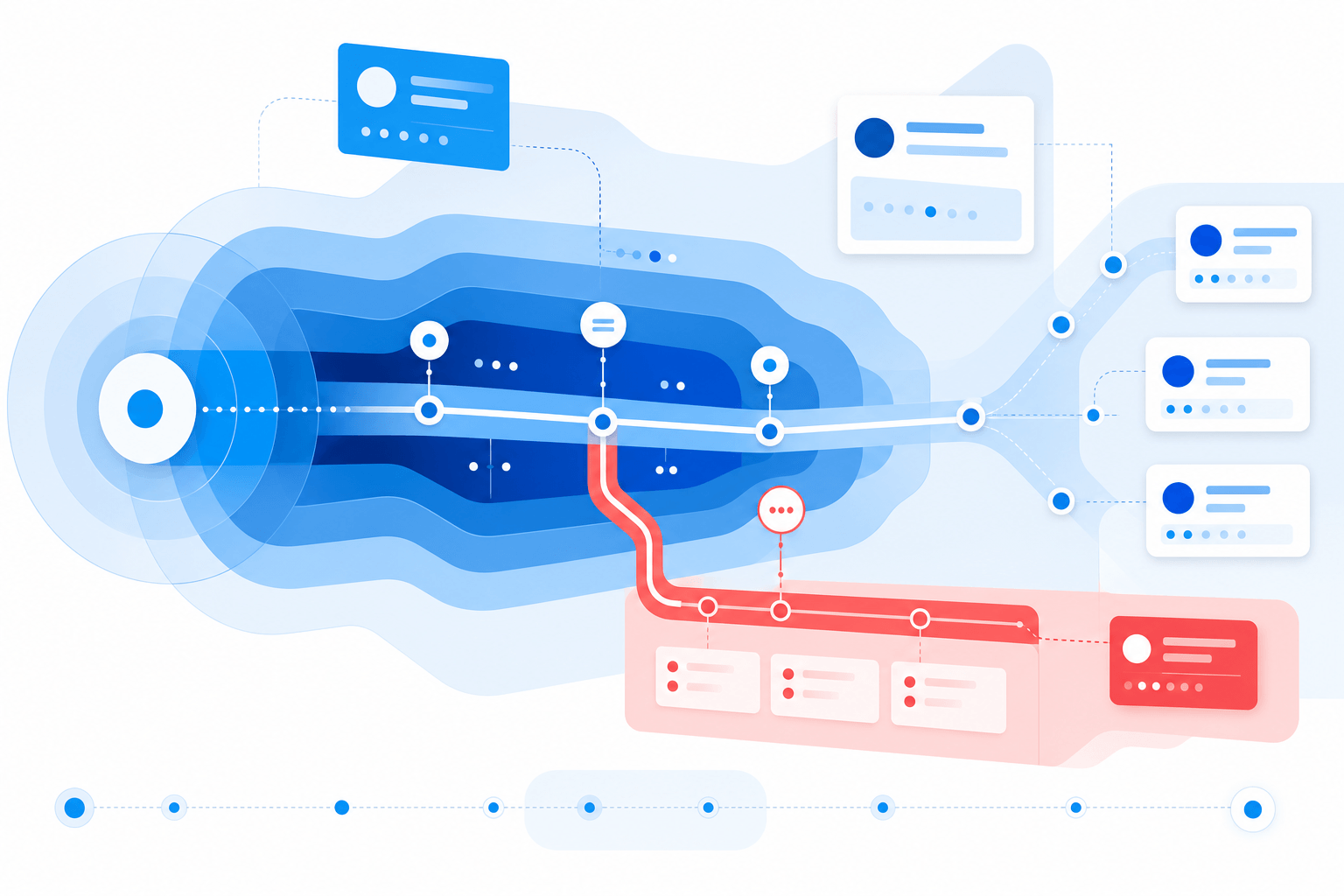
Layered payment verification and exception review process
  • Risk signals are spread across the journey

    Merchant information, transaction context, customer behaviour, refunds and disputes can sit in separate systems and teams.

  • Cross-border patterns are harder to interpret

    A transaction may involve different customer, card, merchant and fulfilment markets, making simple one-dimensional rules less useful.

  • Chargebacks are deadline-driven operations

    Dispute reason, evidence quality, ownership and response timing all affect whether a case can be investigated efficiently.

PRODUCT ADVANTAGES

Where this product improves payment performance

The value is not another isolated payment tool. It is a clearer way to reduce integration effort, improve customer payment choice and operate across markets.

  • Connected merchant and transaction context

    Align initial merchant review with ongoing payment activity so operational decisions have a clearer view of the business and transaction environment.

  • A defined chargeback workflow

    Bring case intake, evidence coordination and response ownership into a repeatable operating process instead of handling every dispute ad hoc.

  • Controls that can evolve with growth

    Review risk signals and operational patterns as markets, payment methods and customer behaviour change over time.

  • Closer coordination with payment operations

    Keep risk, refund, settlement and payment-status questions connected, helping teams understand the wider effect of an operational decision.

INTEGRATION

How implementation works

AirSC aligns the commercial scope, technical flow and operational ownership before an approved payment setup goes live.

  • Establish the merchant context

    Review the business model, products, markets, customer journey and expected transaction behaviour as the basis for the approved setup.

  • Map available transaction signals

    Identify the payment, customer, order and device context that can support monitoring and operational review.

  • Define decision and escalation paths

    Document how unusual activity, customer complaints, refund questions and chargeback cases move between responsible teams.

  • Review live operating patterns

    Use transaction and dispute trends to identify where rules, evidence collection or customer communication may need adjustment.

USE SCENARIOS

Where this product creates practical value

  • Cross-border ecommerce risk

    Coordinate transaction review with fulfilment, refunds and disputes where customer and merchant markets differ.

  • Digital-goods and service disputes

    Organise access, delivery and customer communication records that can help teams investigate complaints about intangible products.

  • Operations teams centralising case handling

    Create a repeatable workflow for monitoring, escalation and chargeback ownership across approved payment products.

MARKETS & METHODS

Market and payment-method considerations

  • Risk differs by payment method

    Cards, wallets and bank-based methods have different customer flows, dispute mechanisms and operational signals.

  • Market context changes interpretation

    Customer behaviour, fulfilment expectations and payment habits vary by market, so controls should be reviewed in context.

  • The approved setup defines available tools

    Risk signals, partner tools and operational processes depend on the merchant profile and payment products included in the final arrangement.

OPERATIONS

What operations teams need to plan

  • Assign clear case ownership

    Define who investigates, who supplies evidence, who communicates with the customer and who approves operational changes.

  • Retain useful evidence

    Order, access, fulfilment, refund and customer-communication records should be organised so they can be retrieved when needed.

  • Measure the complete outcome

    Review payment acceptance, false positives, refunds, customer complaints and chargebacks together rather than optimising one metric in isolation.

Ready to enter your next market?

Tell us about your business, target markets and payment needs.